
What Your Gut is Hiding: How Hidden Overgrowths Are Steering Your Health Imagine sitting down…
A groundbreaking randomized controlled trial shows precision medicine can reverse cognitive decline without pharmaceutical intervention
I recorded a video right after finishing a run, still catching my breath, because I couldn’t wait to share what I’d just heard.
Dr. Kristine Burke, a colleague in a brain health mastermind I’m part of, had just walked through the results of a newly published randomized controlled trial on Alzheimer’s and mild co
The Results Are Difficult to Ignore
This was not a drug trial. It was not a single intervention.
Patients who received a personalized, systems-based precision medicine approach showed statistically significant improvements across multiple cognitive domains and symptom severity.
The standard of care group? They largely declined.
Let me say that again: the treatment group improved. Not just slowed their decline. Actually got better.
What this means: For the first time, a randomized controlled trial has demonstrated that we can reverse early cognitive decline by addressing the root causes, not just treating symptoms with drugs.
What Makes This Study Different

Most Alzheimer’s trials test a single drug against a single target, usually amyloid plaques in the brain. The results have been, to put it mildly, disappointing.
This trial took a completely different approach. It targeted the actual drivers of cognitive decline:
- Metabolic dysfunction
- Chronic inflammation
- Infections
- Sleep disruption
- Nutrient deficiencies
- Hormone imbalances
- Toxin exposure
In other words, they treated the person, not just the disease.
The improvements measured included:
- Composite memory scores
- Brain processing speed
- Overall neurocognitive index
- Care partner reported symptom improvement
These weren’t made up questionnaires designed to show favorable results. These were standard of care assessment tools, the same ones used in pharmaceutical trials.
Effect sizes matter: The improvements seen in this trial significantly exceeded those of recent anti-amyloid drug trials. And unlike those drugs, which can have serious side effects, participants in this study got healthier overall.
The “Side Effect” Was Better Health

Here’s what really gets me: one of the “side effects” of participating in this precision medicine protocol was getting healthier in virtually every other way.
Better metabolic health. Reduced inflammation. Improved sleep. More energy.
Compare that to pharmaceutical interventions, where the side effects often include brain swelling, microhemorrhages, and a host of other complications.
The Blind Spots in Standard Care
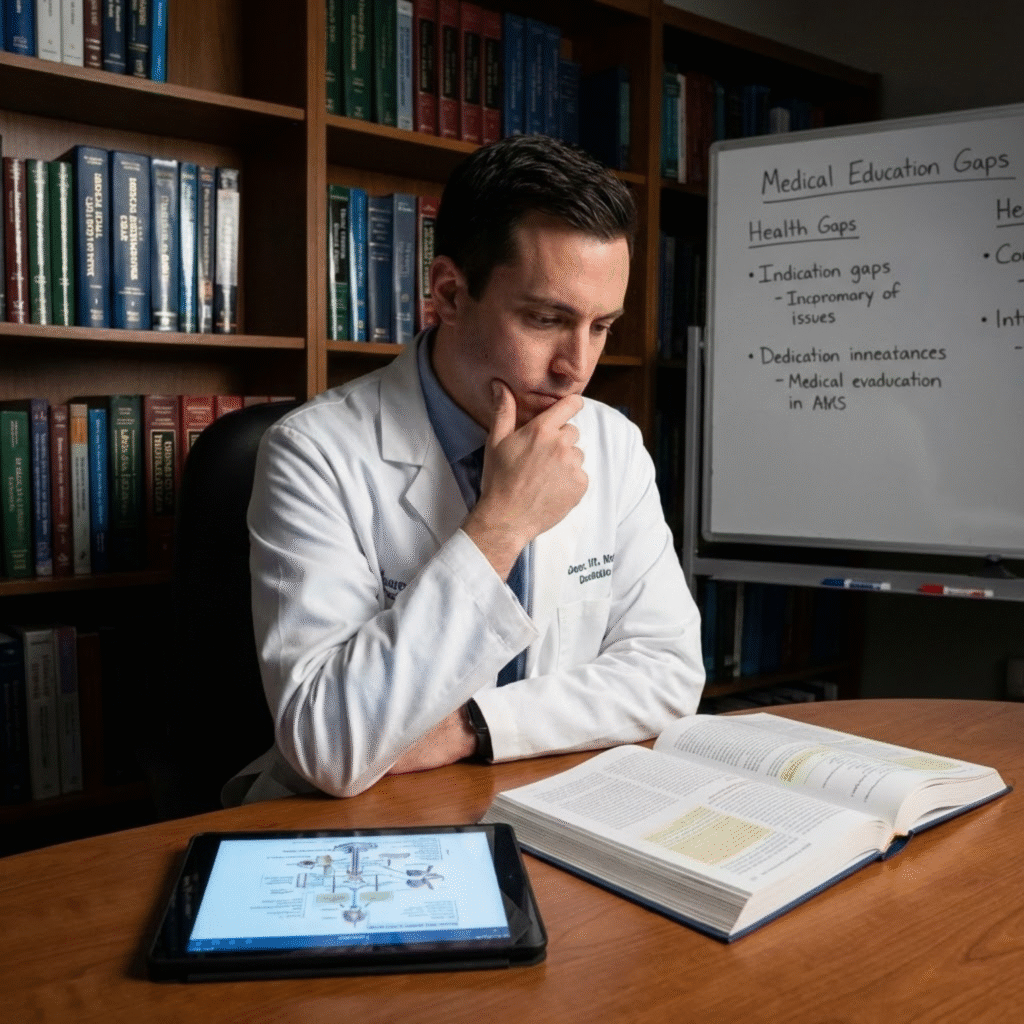
There’s a term we need for when clinicians don’t even recognize their own blind spots. That’s where most doctors are when it comes to cognitive decline.
I’ll speak as a physician: our medical education frankly fails us when it comes to holistic approaches to healing. We’re trained to prescribe drugs, not to investigate and address the multiple underlying factors driving disease.
When someone comes in with early memory problems, word finding difficulties, or mild cognitive impairment, most neurologists don’t recognize that they don’t actually know how to help. They run some tests, maybe prescribe a medication with minimal benefit, and tell patients to “come back in six months.”
It’s a sad state of affairs. But studies like this give me real hope.
What the Study Used (And What It Didn’t)
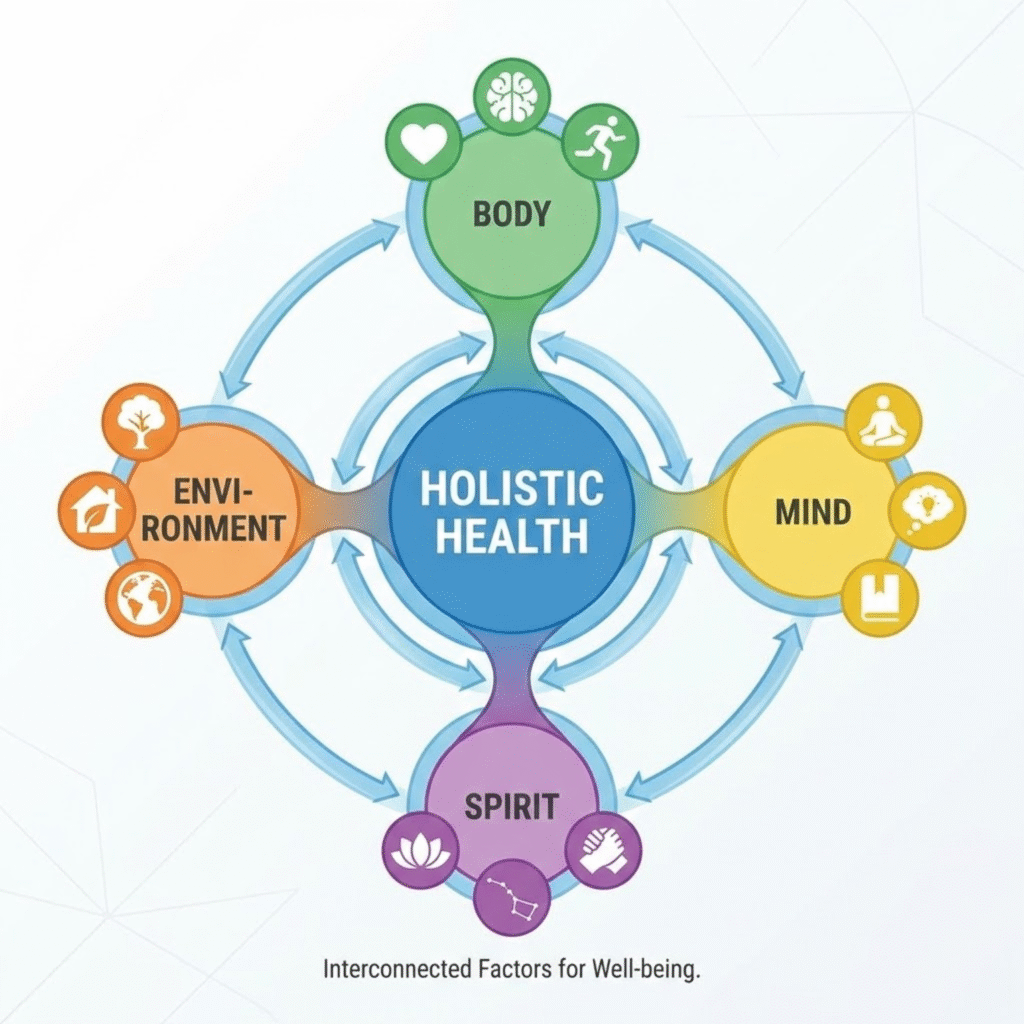
The precision medicine protocol in this study was comprehensive but didn’t include everything we now have available.
What was included:
- Personalized nutrition plans
- Exercise protocols
- Sleep optimization
- Stress management techniques
- Targeted supplementation
- Hormone balancing when appropriate
- Some sites used hyperbaric oxygen therapy
- Some utilized neurofeedback
What wasn’t included:
- Peptides (bioidentical molecules our bodies naturally produce)
- Exosomes
- Newer biologics
- Many other regenerative therapies I personally find promising
Think about that. This study showed significant cognitive improvement without using some of the most powerful tools we now have access to.
What might be possible with even deeper personalization?
The commitment required: This approach does take time, effort, and financial investment. Lifestyle changes are more accessible, but precision medical care can get expensive out of pocket. However, the alternative, progressive cognitive decline, has its own tremendous costs.
The Limitations Worth Acknowledging

I want to be transparent about the study’s limitations because understanding them matters.
- Education level: About 70% of participants had at least a college degree. This likely reflects higher income, greater health awareness, and better access to resources needed for this type of comprehensive program.
- Not double-blind: You can’t blind someone to whether they’ve started exercising or changed their diet. By definition, lifestyle and precision medicine interventions can’t be double-blinded the way drug trials are.
- Multi-center variability: Different sites had access to different therapeutic modalities. Some offered hyperbaric therapy, others didn’t. Some did neurofeedback, others didn’t.
- Disease stage: Participants had mild cognitive impairment or early Alzheimer’s, not advanced dementia.
These limitations don’t invalidate the findings. They simply provide context for interpreting the results and understanding who might benefit most.
What This Means for You

If you’ve been told “nothing can be done” for early cognitive decline, this study suggests otherwise.
If you’re noticing memory slips, word-finding difficulties, or feeling like your brain isn’t as sharp as it used to be, there are evidence based approaches beyond just “take this medication and hope for the best.”
The key is catching it early. The earlier we intervene with a comprehensive, personalized approach, the better the outcomes.
This isn’t about false hope. It’s about recognizing that we have tools, we have evidence, and we have a roadmap. What we need is the willingness to look beyond conventional pharmaceutical approaches.
The Bigger Picture
This study, led by Dr. Dale Bredesen (author of “The End of Alzheimer’s”) and colleagues including Dr. Kristine Burke, represents a fundamental shift in how we approach neurodegenerative disease.
Instead of waiting for a magic bullet drug to fix one aspect of a complex, multi-factorial condition, we address all the factors simultaneously.
It requires more from both physician and patient. More investigation. More personalization. More commitment.
But the results speak for themselves: cognitive improvement, not just slowed decline.
A personal note: I lost my father to ALS. I’ve dedicated my career to brain health because I’ve seen firsthand how devastating neurological decline is, and how little conventional medicine has to offer. Studies like this represent the future of how we approach these conditions.
What Comes Next
The study is currently in preprint, which means it’s undergoing professional feedback before final publication in the Journal of Alzheimer’s Disease. This process allows the authors to refine and strengthen their work.
But the preliminary findings are clear enough that I couldn’t wait to share them.
For those of us working in functional and precision medicine, this validates what we’ve been seeing clinically for years. For patients and families facing cognitive decline, it offers something precious: evidence-based hope.

The future of Alzheimer’s treatment isn’t going to be a single drug. It’s going to be comprehensive, personalized, systems-based medicine that addresses why someone’s brain is declining in the first place.
And based on this trial, that future is already here.
Ready to Take Action on Your Brain Health?
Whether you’re concerned about cognitive decline or simply want to optimize your brain function for the long term, personalized assessment is the starting point.
Or email us directly to discuss working with Dr. Yoshi Rahm: 📩 Support@RoViveMethod.com
Read the Full Study
This randomized controlled trial represents a major advancement in how we understand and treat cognitive decline. If you want to dive deeper into the methodology and results:
Note: This is a preprint pending final publication in the Journal of Alzheimer’s Disease
Medical Disclaimer
𝖳𝗁𝗂𝗌 𝖼𝗈𝗇𝗍𝖾𝗇𝗍 𝗂𝗌 𝖿𝗈𝗋 𝖾𝖽𝗎𝖼𝖺𝗍𝗂𝗈𝗇𝖺𝗅 𝖺𝗇𝖽 𝗂𝗇𝖿𝗈𝗋𝗆𝖺𝗍𝗂𝗈𝗇𝖺𝗅 𝗉𝗎𝗋𝗉𝗈𝗌𝖾𝗌 𝗈𝗇𝗅𝗒. 𝖨𝗍 𝗂𝗌 𝗇𝗈𝗍 𝗆𝖾𝖽𝗂𝖼𝖺𝗅 𝖺𝖽𝗏𝗂𝖼𝖾, 𝖽𝗂𝖺𝗀𝗇𝗈𝗌𝗂𝗌, 𝗈𝗋 𝗍𝗋𝖾𝖺𝗍𝗆𝖾𝗇𝗍. 𝖵𝗂𝖾𝗐𝗂𝗇𝗀 𝗍𝗁𝗂𝗌 𝖼𝗈𝗇𝗍𝖾𝗇𝗍 𝖽𝗈𝖾𝗌 𝗇𝗈𝗍 𝖾𝗌𝗍𝖺𝖻𝗅𝗂𝗌𝗁 𝖺 𝖽𝗈𝖼𝗍𝗈𝗋–𝗉𝖺𝗍𝗂𝖾𝗇𝗍 𝗋𝖾𝗅𝖺𝗍𝗂𝗈𝗇𝗌𝗁𝗂𝗉 𝗐𝗂𝗍𝗁 𝖣𝗋. 𝖸𝗈𝗌𝗁𝗂 𝖱𝖺𝗁𝗆, 𝖣𝖮, 𝗈𝗋 𝖱𝗈𝖵𝗂𝗏𝖾, 𝖯𝖢, 𝗈𝗋 𝖺𝗇𝗒 𝖺𝖿𝖿𝗂𝗅𝗂𝖺𝗍𝖾𝖽 𝖾𝗇𝗍𝗂𝗍𝗒. 𝖬𝖾𝖽𝗂𝖼𝖺𝗅 𝖽𝖾𝖼𝗂𝗌𝗂𝗈𝗇𝗌 𝗌𝗁𝗈𝗎𝗅𝖽 𝖻𝖾 𝗆𝖺𝖽𝖾 𝗐𝗂𝗍𝗁 𝗒𝗈𝗎𝗋 𝗈𝗐𝗇 𝗅𝗂𝖼𝖾𝗇𝗌𝖾𝖽 𝗁𝖾𝖺𝗅𝗍𝗁𝖼𝖺𝗋𝖾 𝗉𝗋𝗈𝖿𝖾𝗌𝗌𝗂𝗈𝗇𝖺𝗅, 𝗐𝗁𝗈 𝖼𝖺𝗇 𝖺𝗌𝗌𝖾𝗌𝗌 𝗒𝗈𝗎𝗋 𝗂𝗇𝖽𝗂𝗏𝗂𝖽𝗎𝖺𝗅 𝗁𝗂𝗌𝗍𝗈𝗋𝗒, 𝖼𝗈𝗇𝖽𝗂𝗍𝗂𝗈𝗇𝗌, 𝖺𝗇𝖽 𝗇𝖾𝖾𝖽𝗌. 𝖣𝗈 𝗇𝗈𝗍 𝖽𝖾𝗅𝖺𝗒, 𝖽𝗂𝗌𝗋𝖾𝗀𝖺𝗋𝖽, 𝗈𝗋 𝗌𝗍𝗈𝗉 𝗆𝖾𝖽𝗂𝖼𝖺𝗅 𝖼𝖺𝗋𝖾 𝖻𝖺𝗌𝖾𝖽 𝗈𝗇 𝗍𝗁𝗂𝗌 𝖼𝗈𝗇𝗍𝖾𝗇𝗍. 𝖨𝖿 𝗒𝗈𝗎 𝖺𝗋𝖾 𝖾𝗑𝗉𝖾𝗋𝗂𝖾𝗇𝖼𝗂𝗇𝗀 𝖺 𝗆𝖾𝖽𝗂𝖼𝖺𝗅 𝖾𝗆𝖾𝗋𝗀𝖾𝗇𝖼𝗒, 𝖼𝗈𝗇𝗍𝖺𝖼𝗍 𝖾𝗆𝖾𝗋𝗀𝖾𝗇𝖼𝗒 𝗌𝖾𝗋𝗏𝗂𝖼𝖾𝗌 𝗂𝗆𝗆𝖾𝖽𝗂𝖺𝗍𝖾𝗅𝗒.
Related Posts